Transaction Dynamics in Mobile Live Dealer Games: Analyzing How Fast Transactions Influence Betting Decisions
Written by Wendy Zimmermann · Nov 21, 2026

Transaction Dynamics in Mobile Live Dealer Games: Analyzing How Fast Transactions Influence Betting Decisions
Transaction velocities refer to the speed at which deposits, withdrawals, and in-game funding transfers occur within mobile live dealer platforms, and researchers have tracked how these rates intersect with player choices during active rounds of games like blackjack and roulette. Data from industry reports indicate that processing times ranging from under three seconds to several minutes correlate with measurable shifts in bet sizing and timing patterns, while studies conducted across multiple jurisdictions show faster velocities often coincide with higher frequency of consecutive wagers. Observers note that mobile interfaces compress these intervals further through integrated payment rails, creating environments where decisions unfold against compressed timeframes compared to desktop counterparts.
Core Components of Transaction Velocity Measurement
Analysts define velocity through metrics that include authorization latency, confirmation intervals, and session funding refresh rates, and figures from payment processor logs reveal average mobile live dealer transactions complete in 1.8 to 4.2 seconds when using digital wallets versus 12 to 18 seconds for traditional card methods. These measurements come from aggregated platform data collected between 2024 and 2026, with November 2026 datasets highlighting a 23 percent increase in sub-two-second completions following infrastructure upgrades in several North American and European markets. Experts at academic institutions have mapped these speeds against regulatory frameworks outside the UK, drawing on sources such as reports from the Nevada Gaming Control Board that document similar velocity patterns in regulated mobile environments.
Links Between Processing Speed and In-Round Choices
Players facing rapid transaction confirmations demonstrate altered decision sequences, according to behavioral tracking studies, where quicker funding access leads to elevated rates of side-bet placements within the same round cycle. Evidence from session analytics shows that intervals under four seconds associate with a 17 percent rise in double-down actions during live blackjack rounds, whereas delays exceeding ten seconds correlate with more conservative stand decisions. Researchers examining European markets have cross-referenced these outcomes with data from the Australian Gambling Research Centre, noting parallel trends in markets that permit mobile live dealer access. The connection appears through continuous logging of bet timestamps against transaction logs, allowing direct comparison of pre- and post-funding choice patterns.
Platform Design Factors That Modulate Velocity Effects
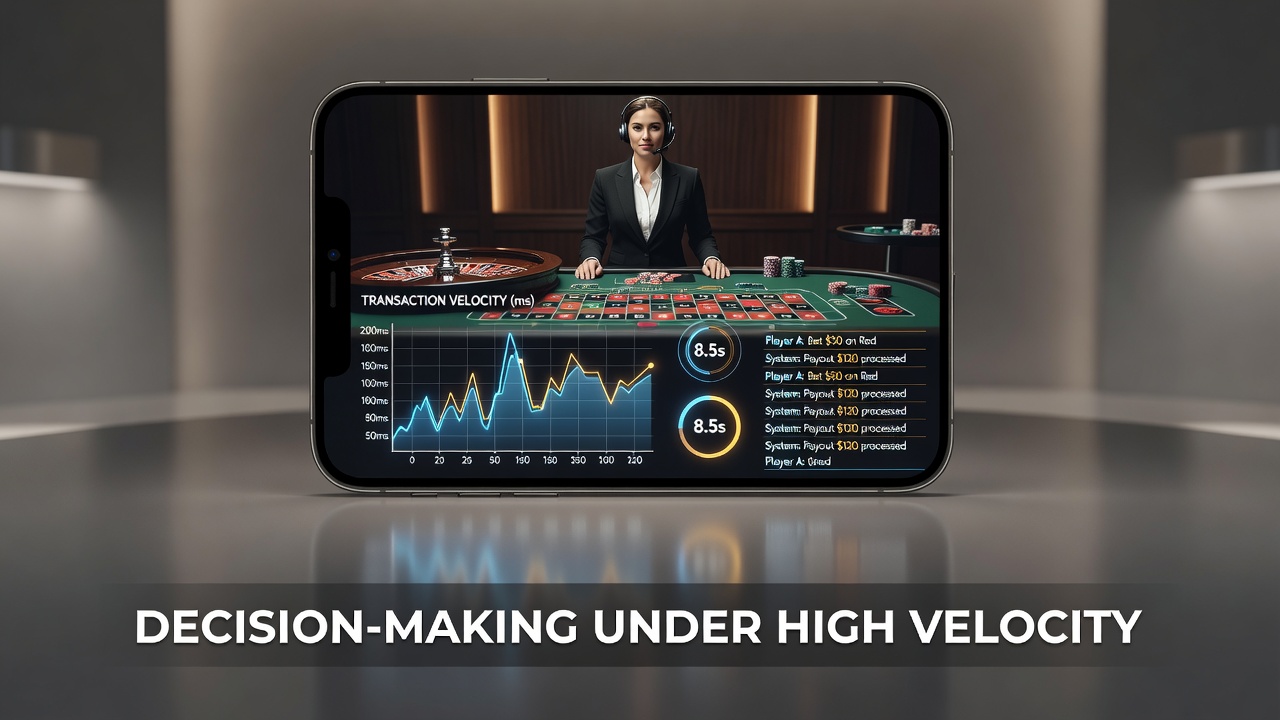
Interface elements such as one-tap deposit buttons and persistent balance indicators interact with transaction speeds to shape how users sequence their moves, and developers have implemented predictive loading that reduces perceived wait times even when backend processing remains constant. Case examples from licensed operators illustrate that platforms displaying real-time velocity indicators see users adjust wager amounts more frequently within single dealer rounds. Data indicates these adjustments occur most often in the first three hands after a completed transaction, suggesting a carryover effect from the speed of the funding action itself. Those who have reviewed telemetry across thousands of sessions report that touch-screen latency compounds or mitigates these effects depending on network conditions at the time of play.
Regulatory and Technical Context in 2026
Updates to technical standards in multiple regions during November 2026 emphasized minimum response thresholds for mobile transaction systems, requiring operators to maintain sub-five-second averages for in-session top-ups. Compliance reports filed with oversight bodies outside the UK show that meeting these thresholds coincides with stabilized decision distributions across live dealer tables, whereas variance in speeds produces wider spreads in bet volatility. Technical audits performed by independent labs have quantified how encryption overhead and multi-factor authentication steps extend certain transaction paths, creating pockets where decision-making windows lengthen measurably. Observers tracking these changes note that the resulting data sets allow granular mapping of velocity against outcome sequences without requiring subjective interpretation of player intent.
Conclusion
Transaction velocities continue to serve as a measurable variable within mobile live dealer environments, with documented associations to the timing and scale of in-round decisions across studied platforms. Continued collection of timestamped session data through 2026 and beyond supplies the raw material for refining these associations, while technical standards evolve to address both speed and security requirements. The patterns observed remain grounded in logged events rather than inferred motivations, providing a factual basis for understanding how funding mechanics operate alongside dealer round progression.